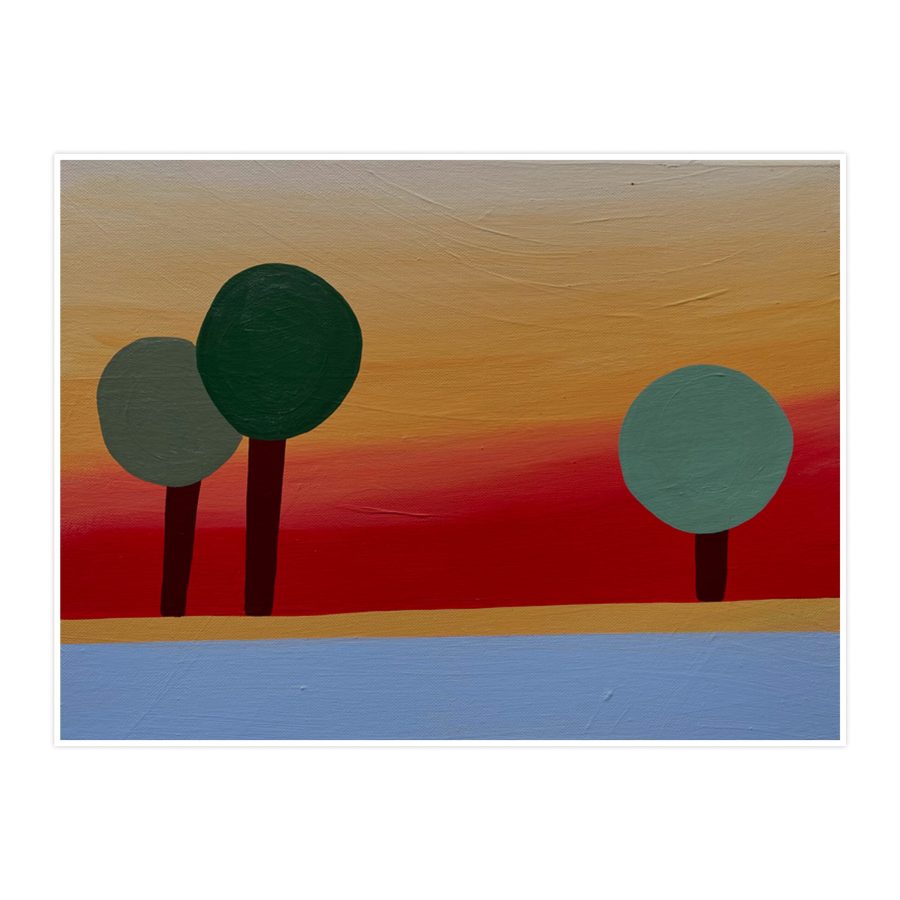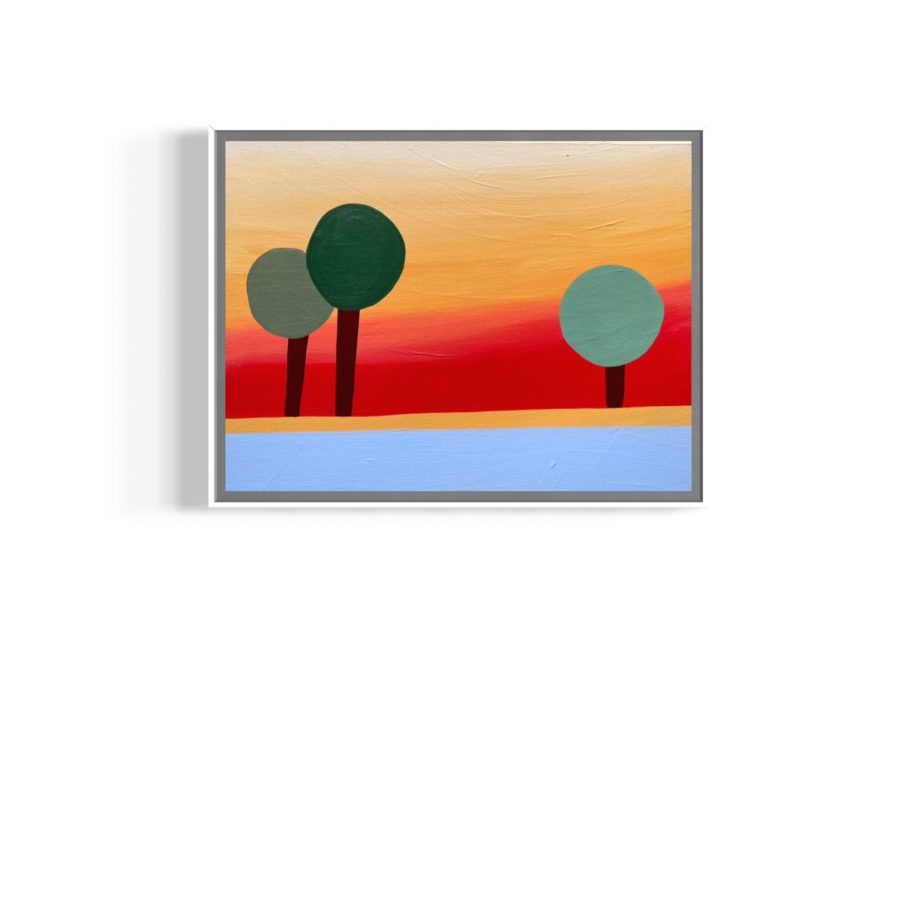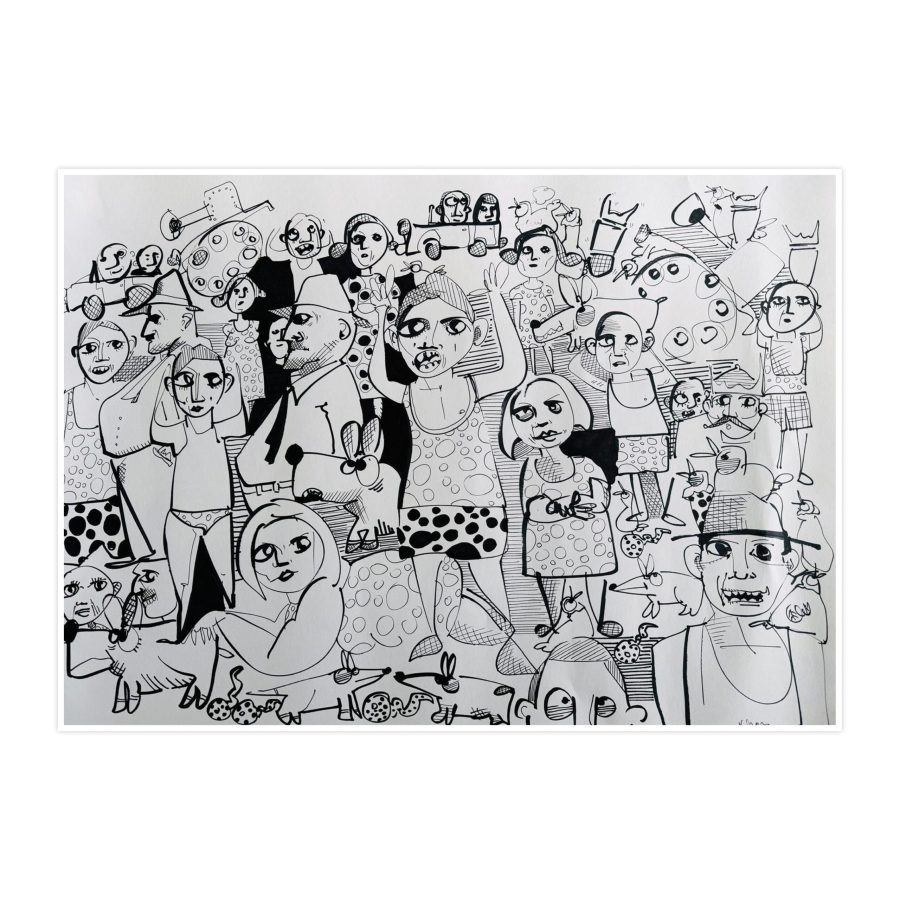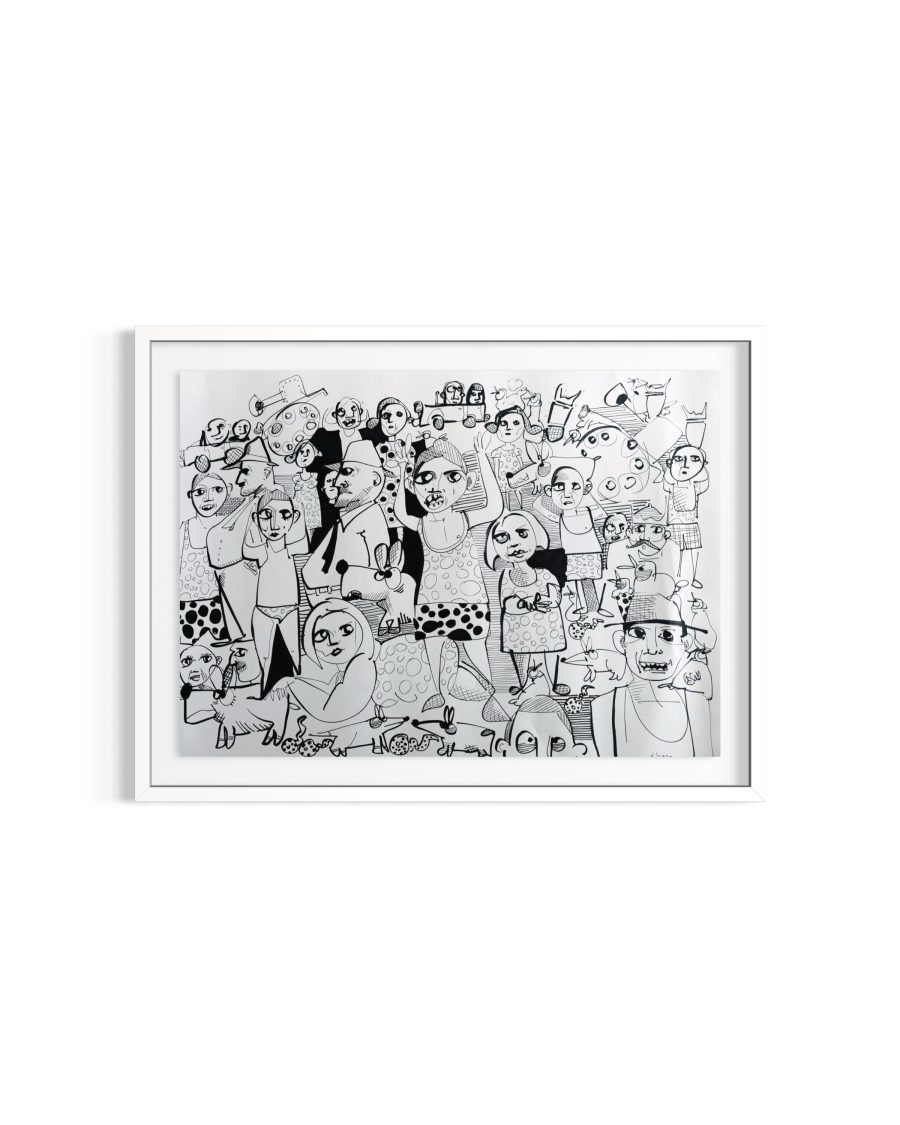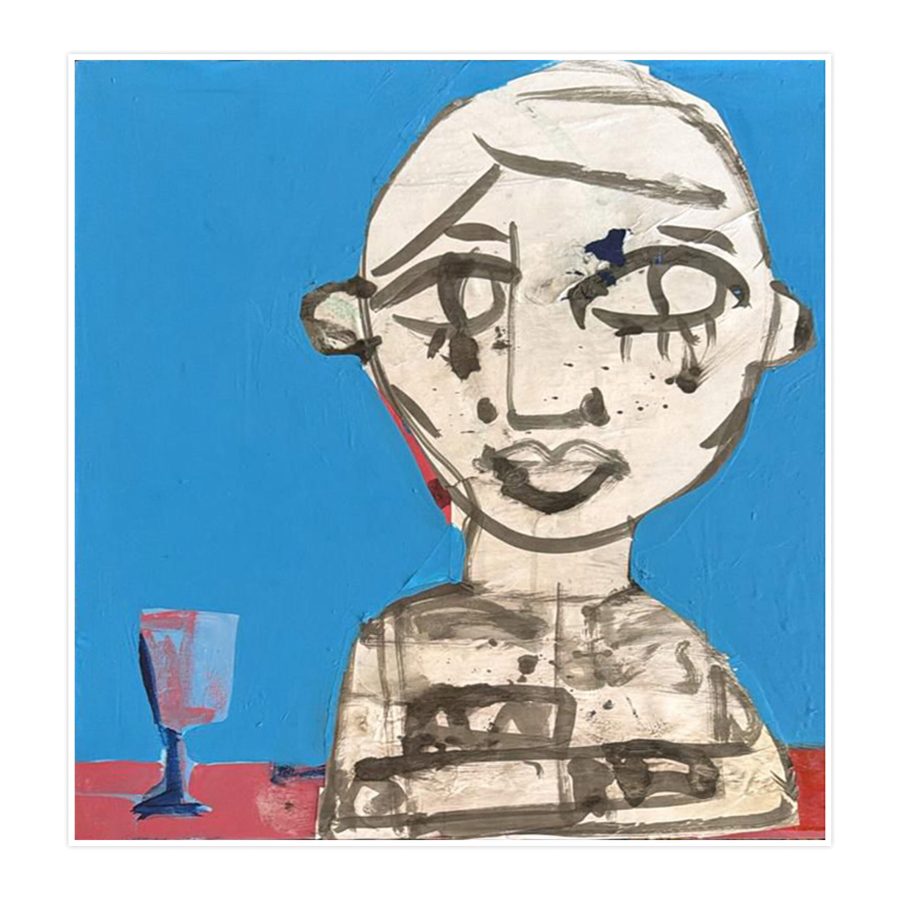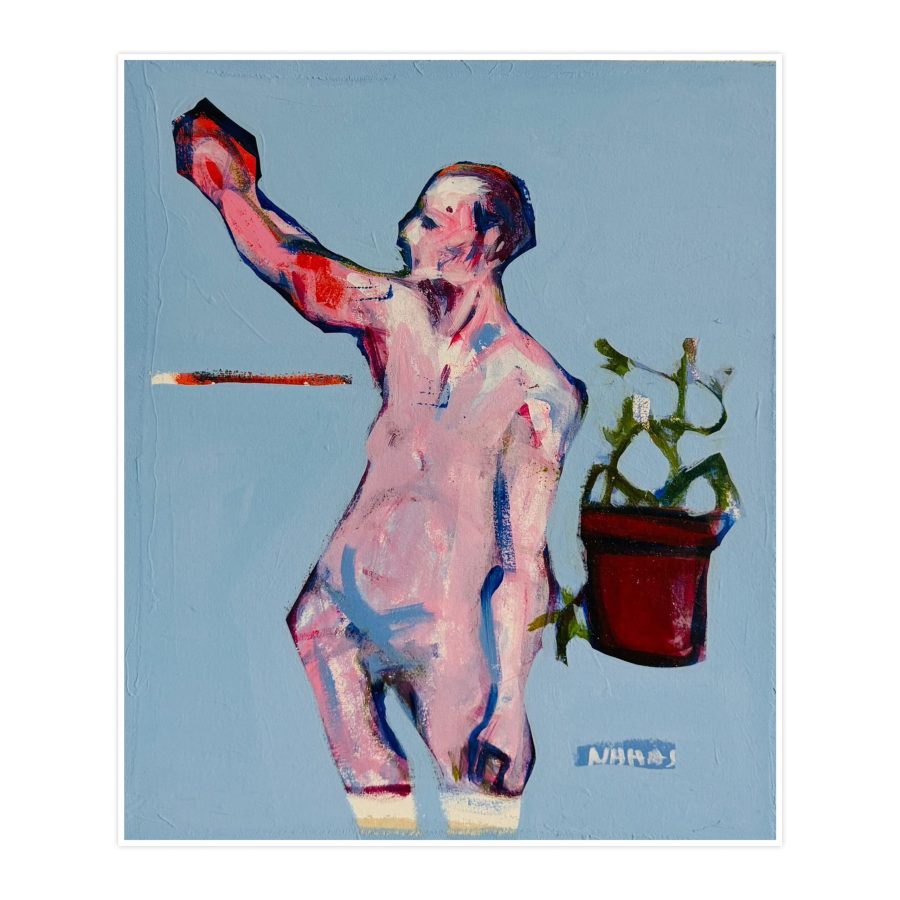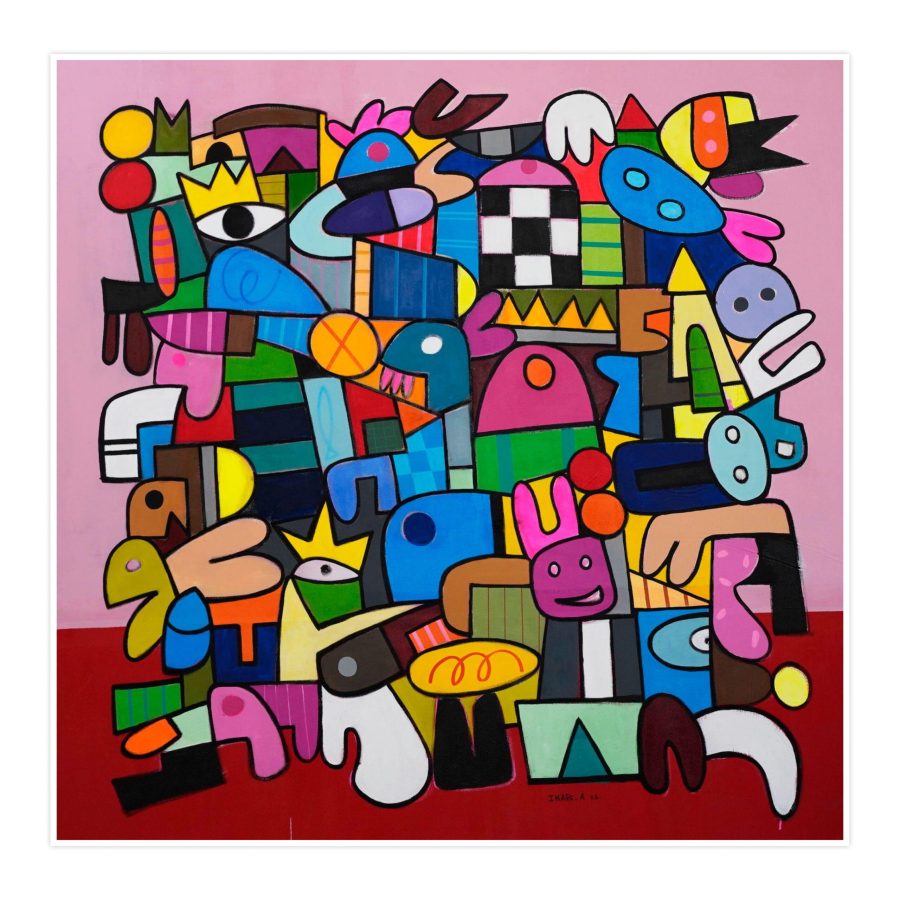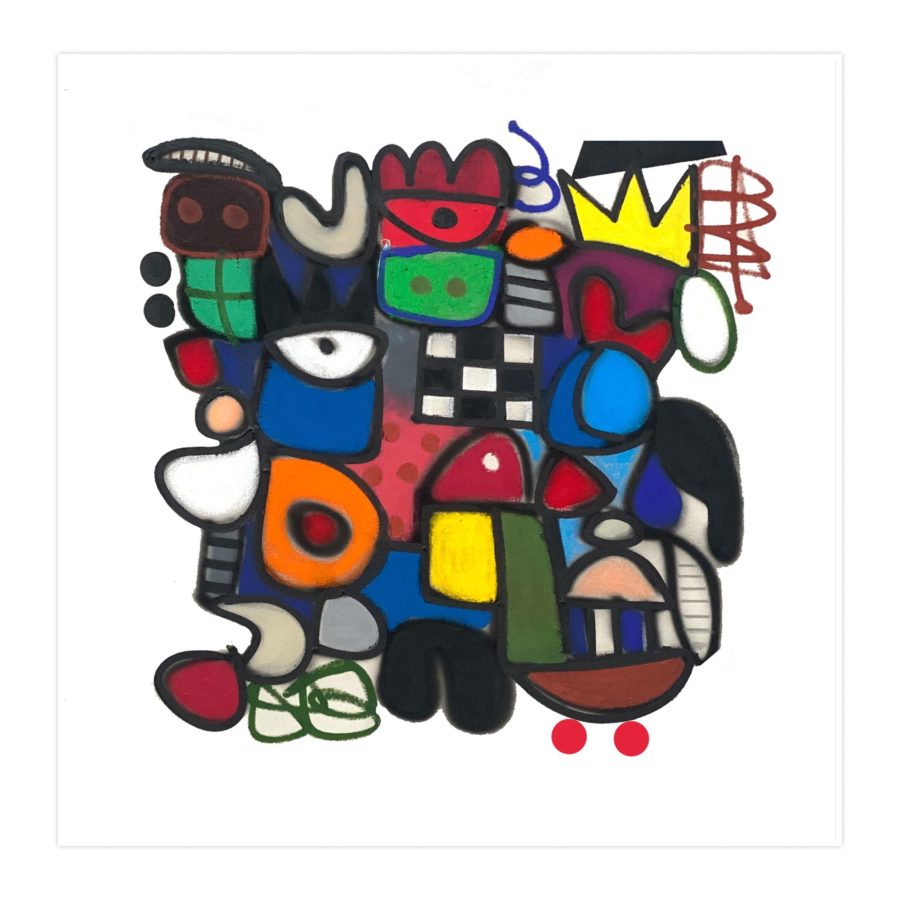
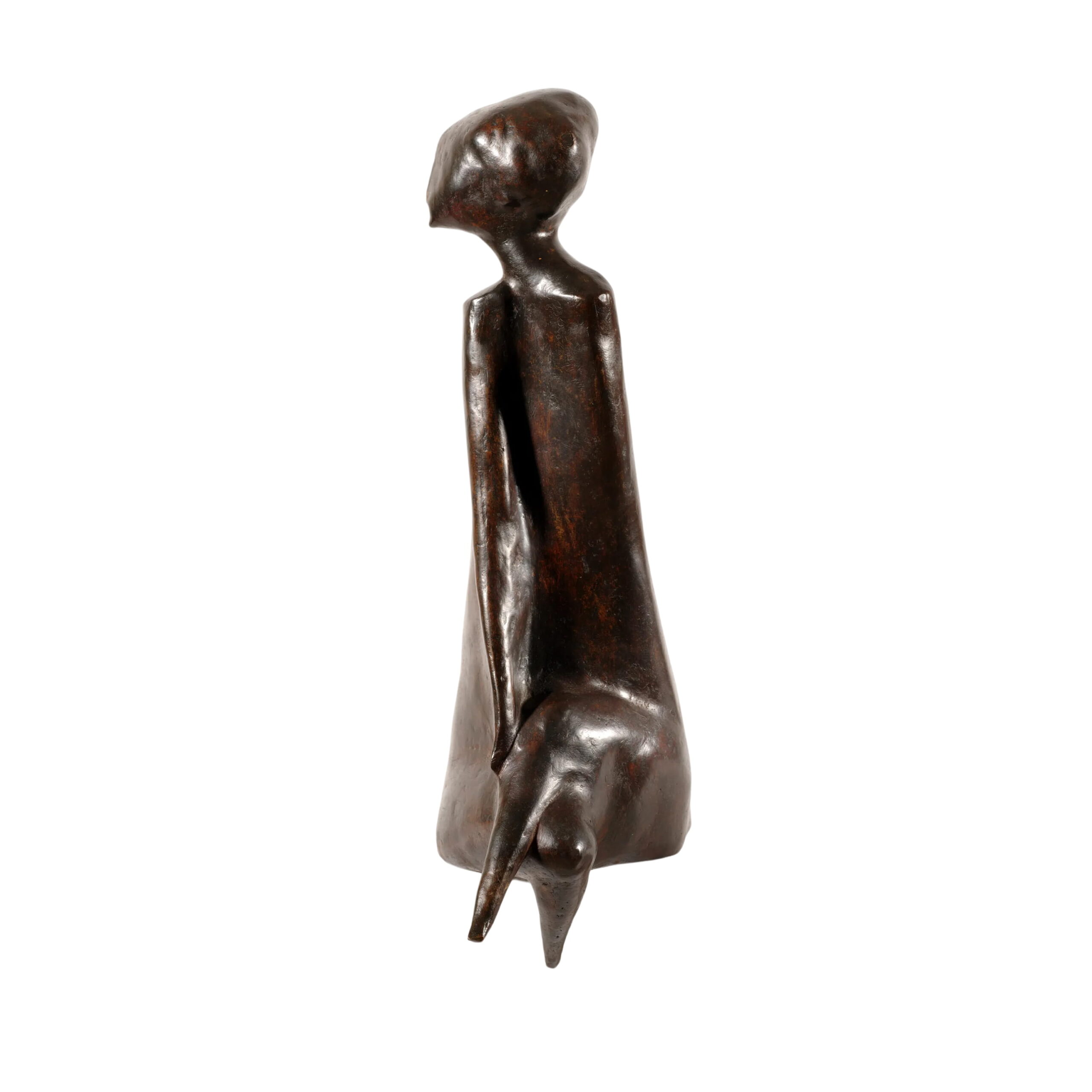
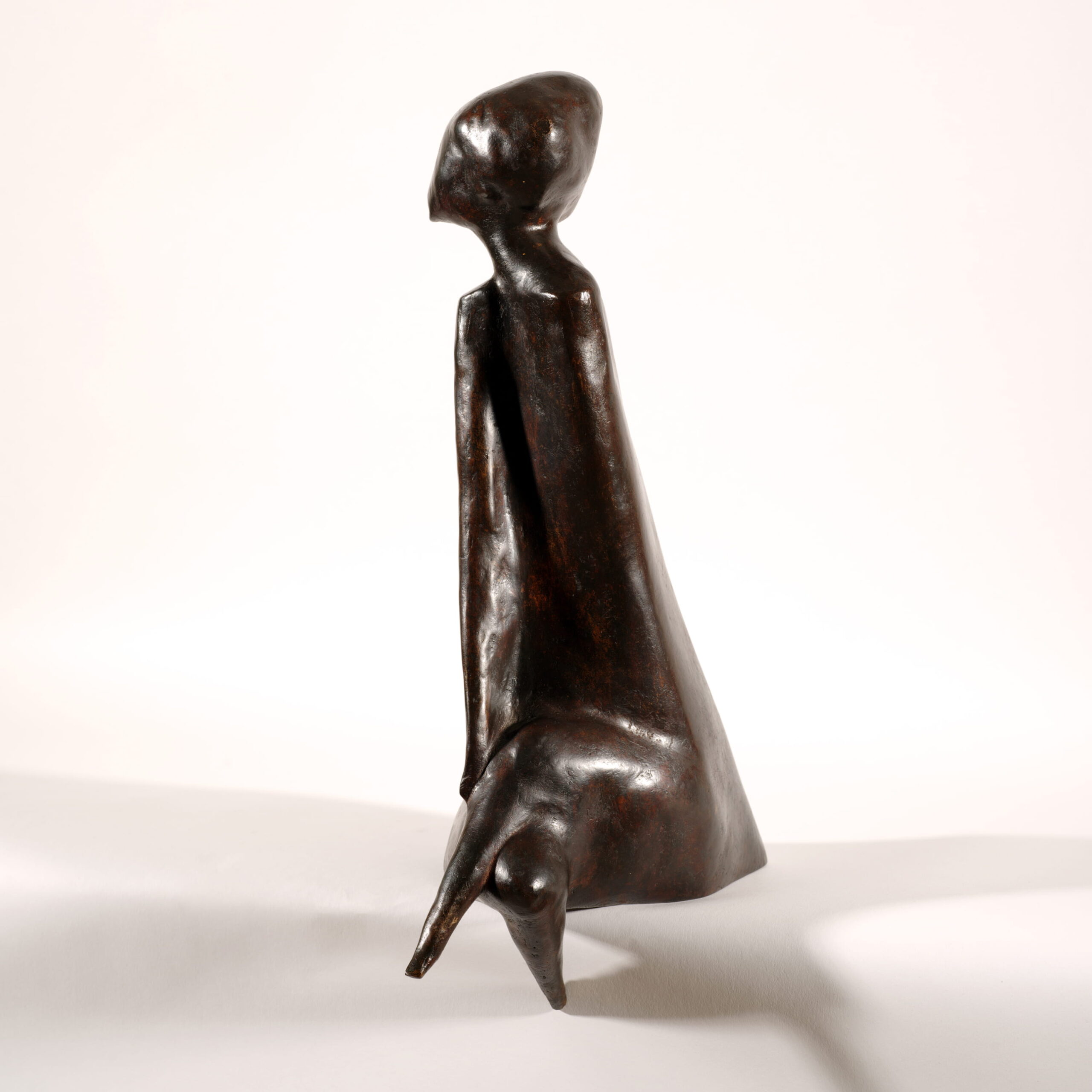
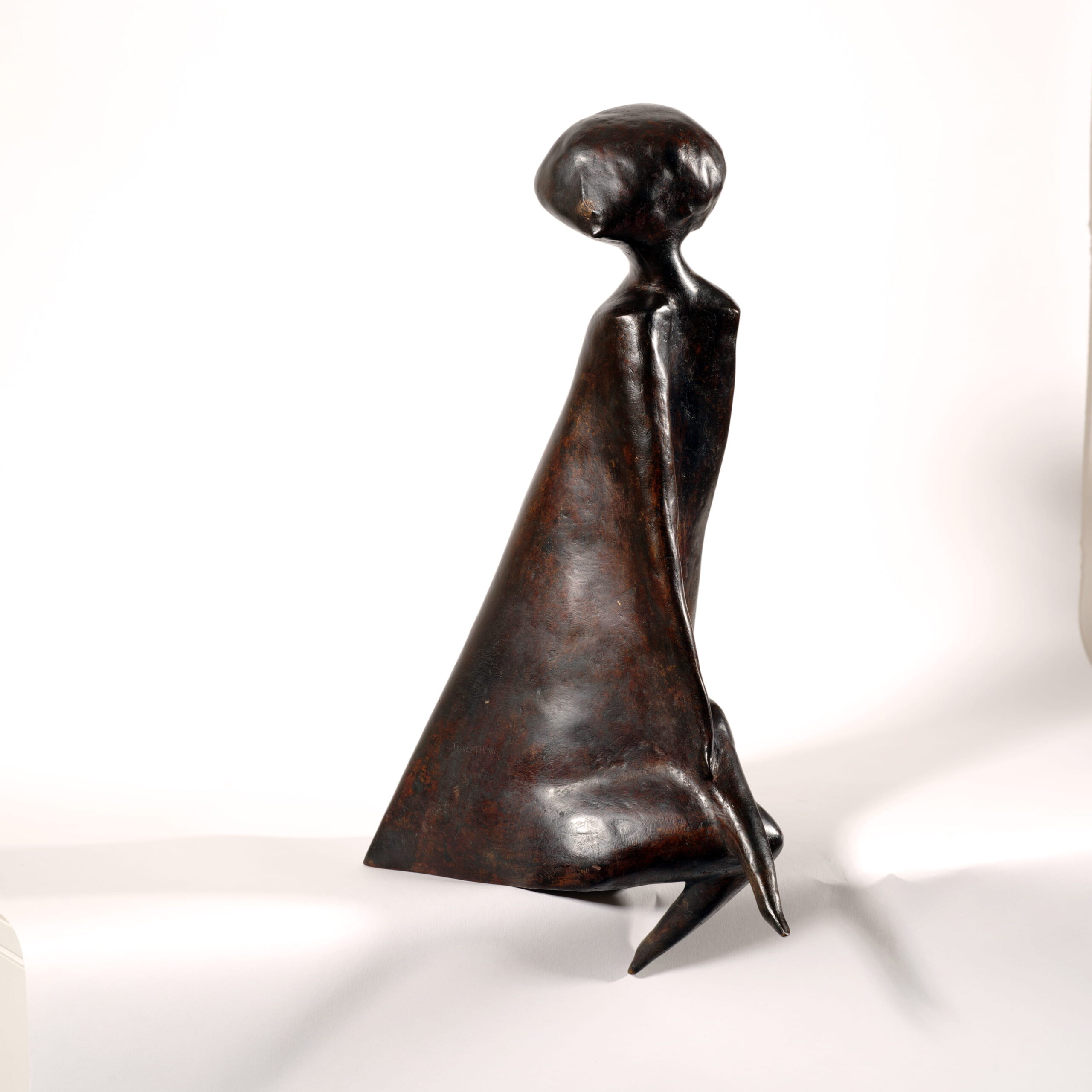
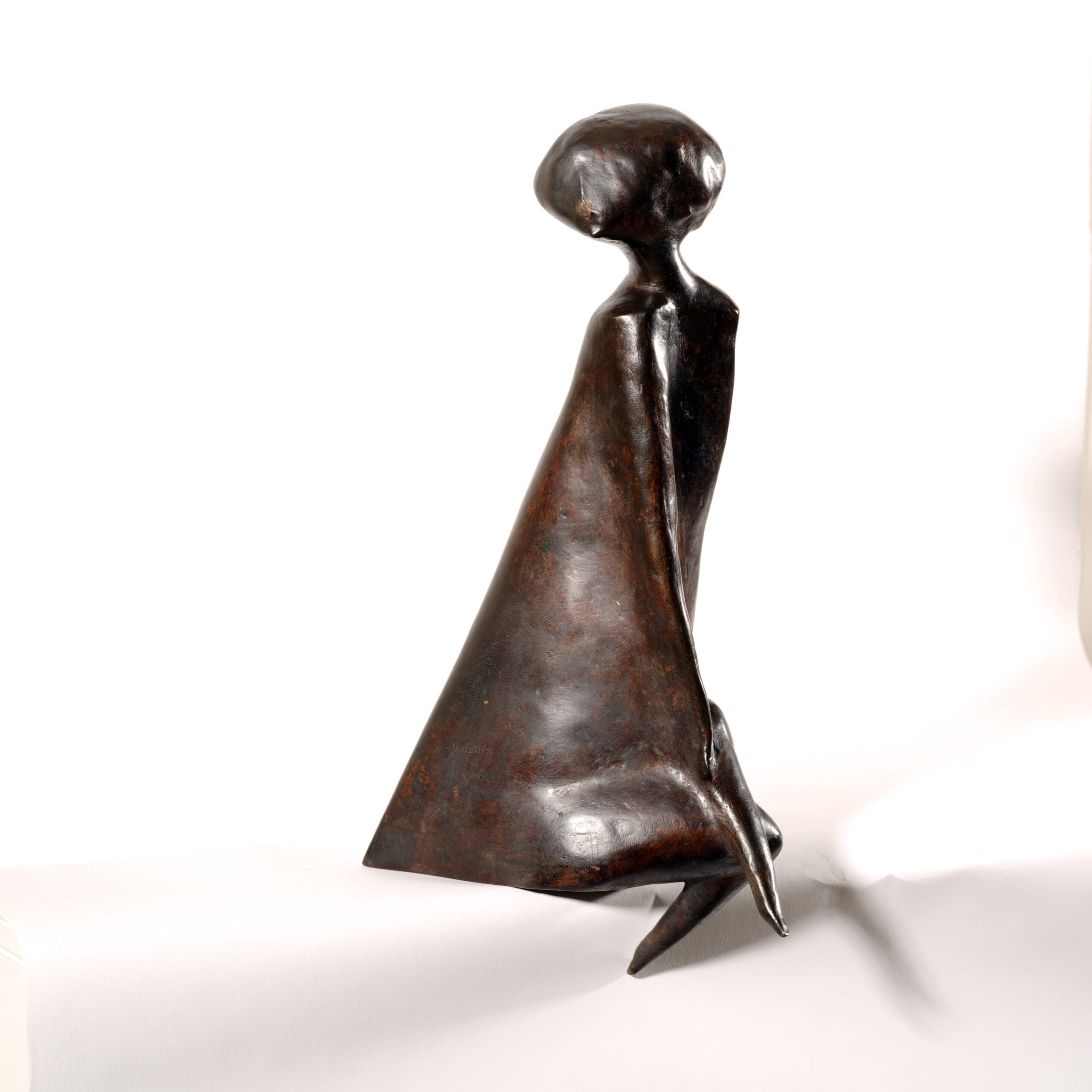
Untitled, around 1960s
Bronze
15 W x 47 H x 24.5 D cm
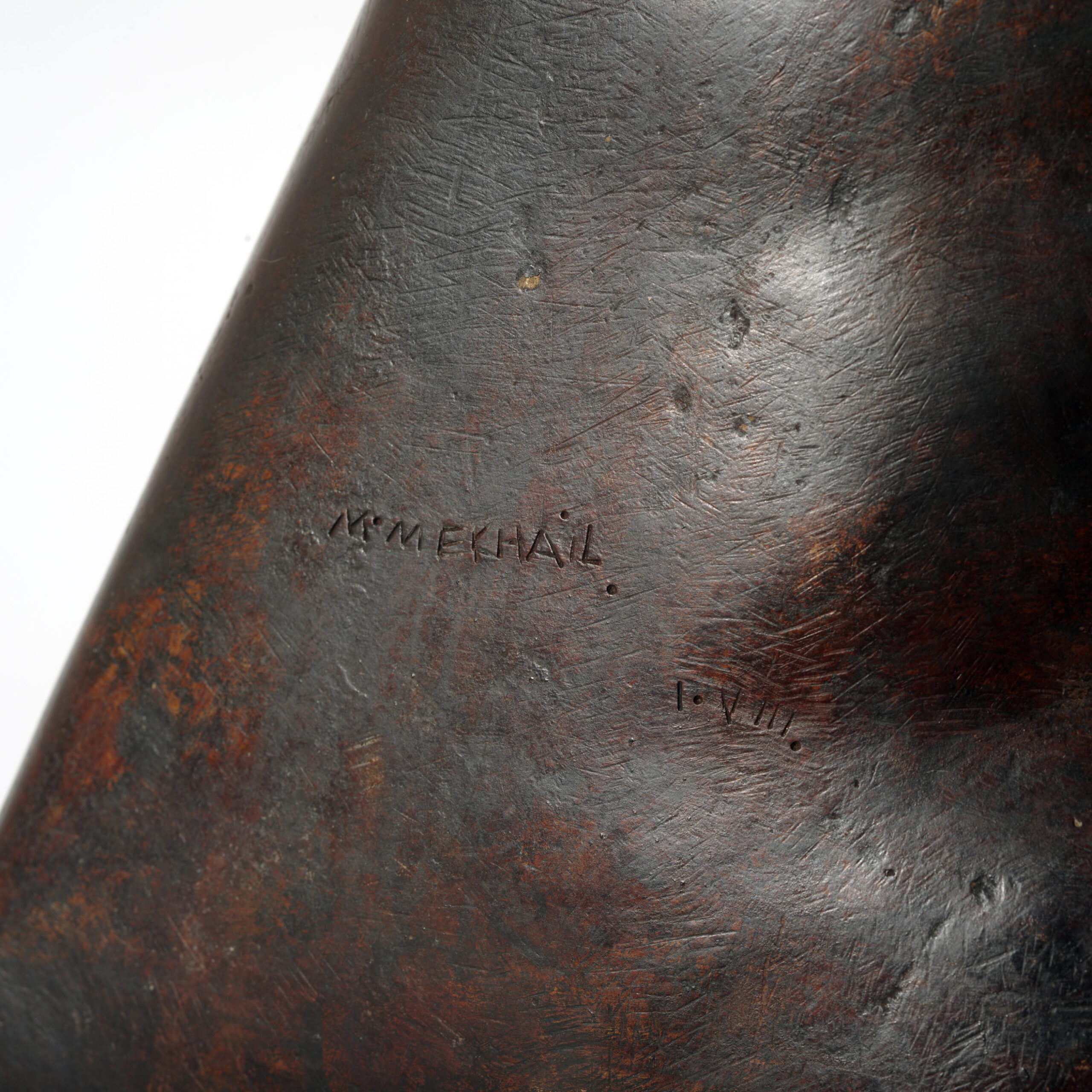
Signed by the artist – side
Egypt
Maged Mikhael
Maged Mikhael is an Egyptian sculptor whose work bridges ancient heritage with contemporary abstraction. Born in Sohag, Upper Egypt, he studied at the Faculty of Fine Arts in Cairo, graduating in 2004 with a specialization in Monumental Sculpture.
A pivotal moment in his artistic development came through his six‑year apprenticeship with the celebrated sculptor Adam Henein (2005–2010). This mentorship refined his technical mastery and instilled in him a deep respect for Egypt’s sculptural traditions. Between 2008 and 2011, Mikhael received full production sponsorship from the Ministry of Culture, during which he experimented with diverse material: plaster, bronze, stone, and ink drawings on paper mediums which he continues to explore today.
His artistic vision began to shift in 2013, focusing on the dialogue between ancient civilizations and collective heritage and their resonance in contemporary life. By 2016, Mikhael had developed a distinctive approach to Ancient Egyptian art, transforming its symbols and forms into abstract, modern sculpture. His current influences draw from architecture , Ancient Egyptian, Coptic, Islamic and hieroglyphic symbols, which he reinterprets as sculptural language. In his work, a sculpture becomes both a word to be read and an image to be experienced.
Mikhael’s career includes solo exhibitions at Karim Francis Gallery (2020, 2021, 2023), participation in major cultural events such as Art D’Egypte, and appearances at international symposiums including the Aswan International Sculpture Symposium and the Bahrain Symposium. In 2011, he was awarded the First Sculpture Prize by the Egyptian Ministry of Culture for his monumental work Misr el Ghaliya (“Beloved Egypt”). His sculptures are held in prestigious collections, including the Egyptian Museum of Modern Art, the Open Museum of Aswan, and the Bahrain Museum.